Hedge cutting in Putney
If you are looking for reliable hedge cutting in Putney, you are likely after more than a quick trim. You want tidy, healthy hedges that suit your property, respect your neighbours, and look right from the street as well as from the garden. In a place like Putney, where homes range from compact terraced gardens and mansion flats with shared outdoor spaces to larger family gardens close to the river, the right hedge care can make a real difference to how your property feels and functions.
Professional hedge cutting is about much more than making things look neat. Done properly, it helps maintain shape, control height and spread, improve light, and keep hedges healthy for the long term. It also removes the hassle of handling awkward equipment, dealing with green waste, and trying to cut back overgrown growth in tight spaces. Whether you need seasonal hedge maintenance, a one-off reduction, or regular garden upkeep, a local service can make the process straightforward and stress-free.
For Putney homeowners, landlords, managing agents, and businesses, choosing a local team can be especially useful. Access can be tricky in some streets, parking may be limited, and many gardens are enclosed by fencing, shared paths, or narrow side returns. A local hedge trimming service understands these practical realities and can plan the job around them, saving time and reducing disruption. That local knowledge often matters as much as the cutting itself.
Why hedge cutting matters for Putney properties

Hedges are one of the most useful features in a garden, but they can quickly become messy if they are not maintained regularly. A hedge that is left too long can block light, encroach onto pavements or neighbouring boundaries, and start to lose its shape. In Putney, where kerb appeal matters and outdoor space is often at a premium, keeping hedges in good order helps protect both appearance and practicality.
Well-maintained hedges can create privacy without making a garden feel closed in. They can reduce street noise, provide structure, and support a greener, more attractive setting around your home or workplace. Yet all of that depends on the hedge being cut at the right time and in the right way. A rough or badly timed cut can leave bare patches, uneven lines, or stress the plant, particularly with slower-growing evergreens or older established hedges.
It is also worth remembering that different hedge types need different approaches. A formal box hedge requires careful shaping; leylandii or conifers need control before they become too dominant; laurel and privet often need a balanced trim to preserve density; and mixed native hedges may benefit from a lighter, more sympathetic cut. The right method depends on the species, the condition of the hedge, and what you want it to achieve in your space.
What our hedge cutting service includes
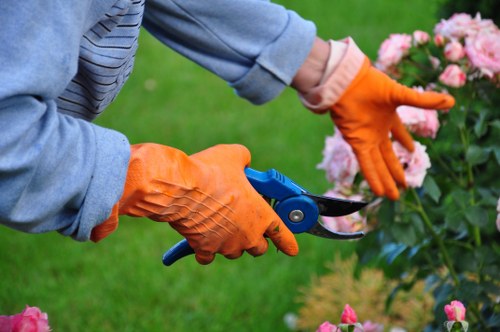
A good hedge cutting service should be clear about what is included so you know exactly what to expect. While every property is different, the work usually starts with a review of the hedge condition, access, and the finish you want. From there, the cutting can be carried out neatly and safely, with attention to the overall shape and the health of the plant.
Typical hedge trimming and hedge maintenance work may include:
- Careful trimming to maintain a tidy and even shape
- Reduction of height or width where overgrowth has become an issue
- Removal of stray shoots and unruly growth
- Attention to boundaries, paths, driveways, and garden edges
- Collection and removal of hedge clippings where agreed
- Advice on the best timing for future maintenance
- Optional ongoing hedge care as part of regular garden maintenance
For many customers, one of the most useful parts of the service is the finishing. A hedge may look acceptable after a quick cut, but a professional result should also leave the surrounding area tidy. That means minimal mess left behind, clean lines, and a garden that is ready to use again. If you manage a rental property, represent a block, or run a local business, this kind of finish is particularly important because presentation and access both matter.
Hedge cutting in Putney can also involve more practical problem-solving. Some gardens are split across levels, some are reached through side access only, and some have no easy space for storing tools or waste. A local team can work around these challenges efficiently, helping ensure the job is completed without unnecessary disruption to you or your neighbours.
How the hedge cutting process works

Customers often want to know what happens from start to finish. A clear process helps set expectations and makes it easier to book with confidence. For most hedge cutting jobs in Putney, the service can be broken down into a few straightforward stages.
Step 1: Initial assessment – The hedge type, size, access, and condition are reviewed. This helps determine whether the work is a light trim, a heavier reduction, or a more careful restoration cut. It also helps identify whether the hedge is part of a boundary, a privacy screen, or a decorative feature that needs a particular finish.
Step 2: Planning the work – Good planning matters, especially in local areas where parking or access may be tight. Tools, equipment, and waste handling are considered in advance, and care is taken to avoid damage to lawns, paving, fences, or planting nearby. If the hedge sits close to a public footpath or road, the work is organised to keep the area safe and tidy.
Step 3: Cutting and shaping – The hedge is trimmed using the right method for the species and size. The aim is to achieve an even, attractive result while keeping the plant healthy. For taller hedges, height management may be required; for formal hedges, shape and straight lines are especially important; and for informal or wildlife-friendly hedges, the finish may be a little softer.
Step 4: Clearance and tidy-up – All clippings are gathered, the work area is cleared, and the hedge is left in a neat condition. If you have requested waste removal, this is handled as part of the service. The final result should be something you can enjoy immediately, without having to spend your afternoon clearing piles of green waste.
Local knowledge makes a real difference

Choosing a local hedge cutting team in Putney brings practical benefits that go beyond convenience. Local crews understand the variety of properties in the area, from Victorian terraces and Edwardian houses to modern apartment developments and commercial premises. They are also familiar with the way local streets can affect job planning, whether that means limited parking, narrow access routes, or working around busy school runs and commuter traffic.
That local understanding can save time and reduce disruption. For example, some gardens can only be reached through side access, which means equipment needs to be moved carefully and efficiently. Other homes near Putney High Street or the busier roads may need early or well-coordinated scheduling so the work can be completed without inconvenience. In residential streets near Putney Bridge, East Putney, Roehampton borders, and the green spaces around Wandsworth Park, a practical approach makes the job smoother from the start.
Local hedge care is also useful because hedges in Putney often serve multiple roles at once. They may separate properties closely set together, screen patios and decked areas, define front gardens, or help soften the look of shared boundaries. A local service understands these uses and can cut accordingly, ensuring the hedge still does what you need it to do after the work is finished.
Why choose a local company? Because a local company is more likely to understand the property layouts, seasonal growth patterns, and access issues common in the area. That means clearer communication, smoother scheduling, and a result that feels tailored rather than generic.
Residential and commercial hedge cutting in Putney

Hedge maintenance needs are different for every customer. A family garden in Putney might need a tidy seasonal trim to keep the space usable for children and outdoor dining, while a commercial frontage may need a sharper, more presentable finish that reflects well on the premises. A local hedge trimming service can adapt to both situations.
Residential hedge cutting often involves balancing privacy, appearance, and growth control. Many homeowners want to keep their hedges dense enough to screen out overlooking windows, but not so tall or wide that they take over the garden. Others may want to reclaim paths, improve light into the house, or bring an overgrown hedge back to a more manageable size. In these cases, a careful and measured approach is essential.
Commercial clients may include offices, schools, managed residential blocks, shops, cafes, and hospitality premises. For these properties, neat external presentation matters, but so does reliability. Work often needs to be carried out at suitable times, with minimal disruption to staff, customers, or residents. A local team can help keep entrances, boundary hedges, and shared spaces looking cared for without turning the visit into an inconvenience.
Hedges in commercial settings may also need more regular attention because they contribute to the first impression visitors get when they arrive. An overgrown frontage can make even a well-run business appear less polished. Regular hedge maintenance keeps entrances clear and attractive while supporting safe movement around the site.
Common hedge types we trim and shape
Formal and ornamental hedges
Formal hedges need a precise finish and often suit gardens where structure and symmetry matter. Box, yew, and similar species are usually cut carefully to maintain clean edges and a compact profile. These hedges often benefit from regular light trimming rather than occasional heavy cutting.
Fast-growing boundary hedges
Species such as leylandii, privet, laurel, and some mixed conifers can grow quickly and become difficult to control. When these hedges are left too long, they can create shade, pressure on boundaries, or awkward overhang into neighbouring properties. A good hedge cutting service can manage the height and spread before the hedge becomes unmanageable.
Mixed and informal hedgerows
Some Putney gardens feature mixed hedges or more informal planting that blends into the wider landscape. These hedges often need a softer, lighter approach to preserve their shape and natural character. The aim is usually to reduce excess growth while protecting the plants that contribute to the hedge’s look and wildlife value.
Hedge reduction versus hedge trimming
Trimming is usually about maintaining a neat shape and encouraging dense, healthy growth. Reduction is a more substantial cut used when a hedge has become too tall, too wide, or too dominant for the space. Understanding the difference matters because each requires a different level of care and can affect the hedge’s appearance in different ways.
Benefits of regular hedge maintenance
Regular hedge care is one of the simplest ways to keep a property looking looked-after without large-scale garden works. Rather than waiting until the hedge becomes difficult to manage, many customers prefer to schedule maintenance at sensible intervals so the work stays lighter and the results stay consistent.
The benefits of regular hedge maintenance include:
- A neater and more attractive boundary
- Better control over height and width
- Improved access along paths and driveways
- More light entering the garden and property
- Reduced risk of hedges overwhelming nearby planting
- Less drastic cutting needed in the future
- A safer, more manageable outdoor space
There is also a seasonal benefit. Hedges often grow vigorously during warmer months, and if they are not checked regularly, the work becomes much more difficult later on. Keeping on top of growth means you can enjoy the garden rather than constantly fighting with it. This is especially helpful in Putney, where many gardens are used as practical everyday spaces rather than formal show gardens.
Preparing for a hedge cutting visit
Most hedge cutting jobs are straightforward, but a little preparation can make the visit easier and more efficient. If you are arranging hedge cutting in Putney, a short checklist can help you get the best outcome and reduce delays on the day.
Preparation checklist:
- Clear access to the hedge where possible, including gates or side paths.
- Move cars, bikes, bins, and garden furniture away from the work area if you can.
- Let the team know about fragile planting, irrigation systems, or hidden obstacles.
- Check whether the hedge sits on a shared boundary so neighbouring access can be considered if needed.
- Decide in advance whether you want clippings removed or left neatly bagged.
- Think about the finish you want: tidy trim, height reduction, or a fuller reshaping.
You do not need to tidy everything perfectly before the visit. A professional team will understand that gardens are used spaces. Still, a little advance planning can make it easier to work safely and efficiently, particularly where access is tight or the hedge runs alongside paving, walls, or planted borders.
If you are unsure what your hedge needs, it is often best to ask for an assessment first rather than guessing. A quick review can help determine whether a light trim will do the job or whether a more structured cut is needed to restore shape and balance.
Pricing factors for hedge cutting
Customers understandably want to know what affects the cost of hedge cutting, even when exact prices are not listed upfront. The main point is that hedge work is usually priced according to the job itself rather than a one-size-fits-all rate. That is because every hedge is different, and the time, equipment, and waste involved can vary significantly.
Common pricing factors include:
- The height, length, and thickness of the hedge
- Whether it needs a light trim or a substantial reduction
- The type of hedge and how hard it is to cut safely
- Access to the hedge, including side passages, rear gardens, or upper levels
- How much waste is produced and whether removal is requested
- Whether the work is a one-off job or part of regular maintenance
- Any special care needed around fences, walls, lawns, or planting
For many customers, the value comes from saving time, avoiding the cost of buying and maintaining specialist equipment, and getting a finish that lasts longer than a rushed DIY cut. Hedges that are cut carefully often remain easier to maintain going forward, which can reduce the amount of work needed next time.
Request a free quote if you want to understand the likely scope of your hedge work. A proper quote should reflect the size and condition of the hedge, along with the access and finish you need, rather than offering a vague estimate that does not match the property.
Why customers choose professional hedge cutting instead of DIY
Some people are happy to trim smaller hedges themselves, but once height, width, or access become an issue, the job becomes more demanding. Hedge cutting can be time-consuming, physically tiring, and difficult to finish neatly without the right tools. Tall hedges, in particular, may require ladders or specialist equipment, which brings safety concerns as well as practical ones.
A professional service can be the better choice when:
- The hedge is too tall or wide for comfortable DIY work
- You want a clean, even finish rather than a rough cut
- Waste removal would be difficult to manage yourself
- Access is awkward and you need the job handled carefully
- You want to avoid damaging the hedge by cutting at the wrong time
- You simply do not have the time to do it properly
It is also worth considering the long-term health of the hedge. A well-cut hedge is easier to maintain and more likely to remain dense and attractive. A rushed or uneven cut can create gaps, stress the plant, or leave the hedge looking patchy. A local service aims to avoid those problems by using the right method for the hedge type and condition.
Areas covered around Putney
Hedge cutting services in Putney typically cover a wide range of nearby streets and neighbourhoods, including homes and businesses around Putney Bridge, East Putney, and the edges toward Wandsworth, Roehampton, and Fulham. Many customers also need work carried out near riverside properties, apartment blocks, shared courtyards, and residential roads where green boundaries need to be kept neat and manageable.
Depending on the property and access, service can also extend to neighbouring local areas where similar garden layouts and boundary hedging are common. This is especially useful for customers who manage several properties or need a reliable team for multiple outdoor spaces. A local hedge trimming service can often group work efficiently across the surrounding area, which helps keep visits practical and well organised.
If you have a hedge close to a pavement, a boundary wall, or a shared communal area, it is useful to arrange the work before growth becomes too excessive. This can make the hedge easier to cut safely and help avoid complaints or obstruction issues. In busy local settings, being proactive is usually the simplest option.
What to expect from a good local service
When you choose a hedge cutting company, you should expect more than basic clipping. A strong local service should feel organised, responsive, and considerate from the moment you enquire. That includes being clear about what the work involves, what the likely result will be, and what access or preparation is needed.
Look for a service that takes the time to understand your property and your goals. Some customers want a perfectly formal shape; others simply want the hedge under control before it causes a problem. A good team should be able to adjust to either situation and explain what is sensible for the hedge itself.
You should also expect proper care around the rest of the garden. Trees, shrubs, lawns, paving, fences, and nearby planting can all be affected if hedge work is rushed. A professional approach means protecting what should stay untouched and leaving the site neat when the job is complete. That attention to detail is often what turns a basic trim into a service people are happy to book again.
Choosing the right time of year
Many hedges can be trimmed more than once a year, but the exact timing depends on the species, the look you want, and how quickly it grows. Some jobs are best handled after a strong growth period; others require a lighter seasonal touch. If you are not sure, ask before booking so the hedge is cut at a suitable time for both appearance and plant health.
Frequently asked questions
How often should a hedge be cut?
That depends on the hedge type and the result you want. Fast-growing hedges often need more regular attention, while slower-growing decorative hedges may only need periodic trimming. In many cases, once or twice a year is enough, but some formal hedges benefit from additional shaping.
Can you cut an overgrown hedge back hard?
Sometimes, yes, but it depends on the species and condition of the hedge. Some hedges recover well from a reduction, while others may struggle if cut too far back at the wrong time. A proper assessment is important before any significant reduction work is carried out.
Will hedge cutting leave a mess?
A professional service should include a tidy finish. Clippings can be cleared and removed if requested, and the work area should be left in a usable condition. If access is tight, some extra care may be needed to protect paving and borders during clearance.
What if my hedge is on a shared boundary?
If the hedge sits between properties, it is sensible to check whether any access considerations apply. Good communication helps avoid confusion, especially where one side is a garden and the other side is a path, driveway, or communal area.
Do you work on commercial hedges as well as domestic ones?
Yes. Many local teams handle both residential and commercial hedge maintenance. The approach may differ depending on the site, but the aim is the same: neat, controlled growth and a presentable finish.
Can I book regular hedge maintenance?
Yes, and for many customers that is the easiest option. Regular maintenance keeps the hedge manageable and avoids the need for more disruptive cutting later on.
Ready to book hedge cutting in Putney?
If your hedge is starting to look untidy, blocking light, or reaching the point where DIY no longer feels practical, now is a good time to arrange professional help. A local team can assess the hedge, explain the best approach, and carry out the work with minimal disruption to your property and routine.
Whether you need a light trim for a front garden hedge, a fuller reduction for an overgrown boundary, or regular maintenance for a home or business, hedge cutting in Putney can help keep your outdoor space neat, healthy, and easier to manage. The right service should be practical, courteous, and tailored to the specific needs of your property.
Contact us today to discuss your hedge, request a free quote, or book your service now. If you would like to bring an overgrown hedge back under control or keep a well-shaped one looking its best, a local specialist is ready to help.